
Microshort Stories:
one life, ninety seconds
The series
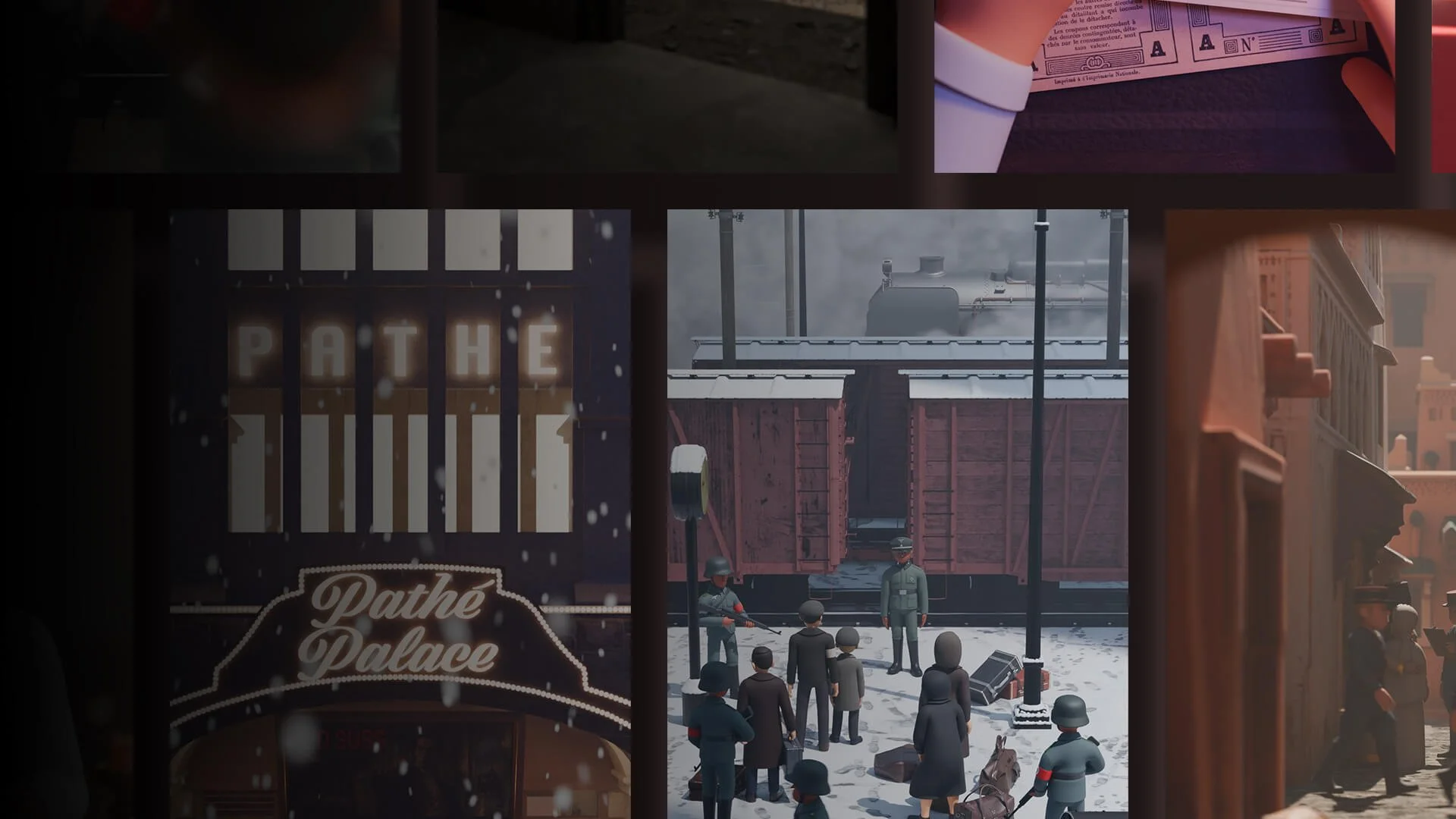
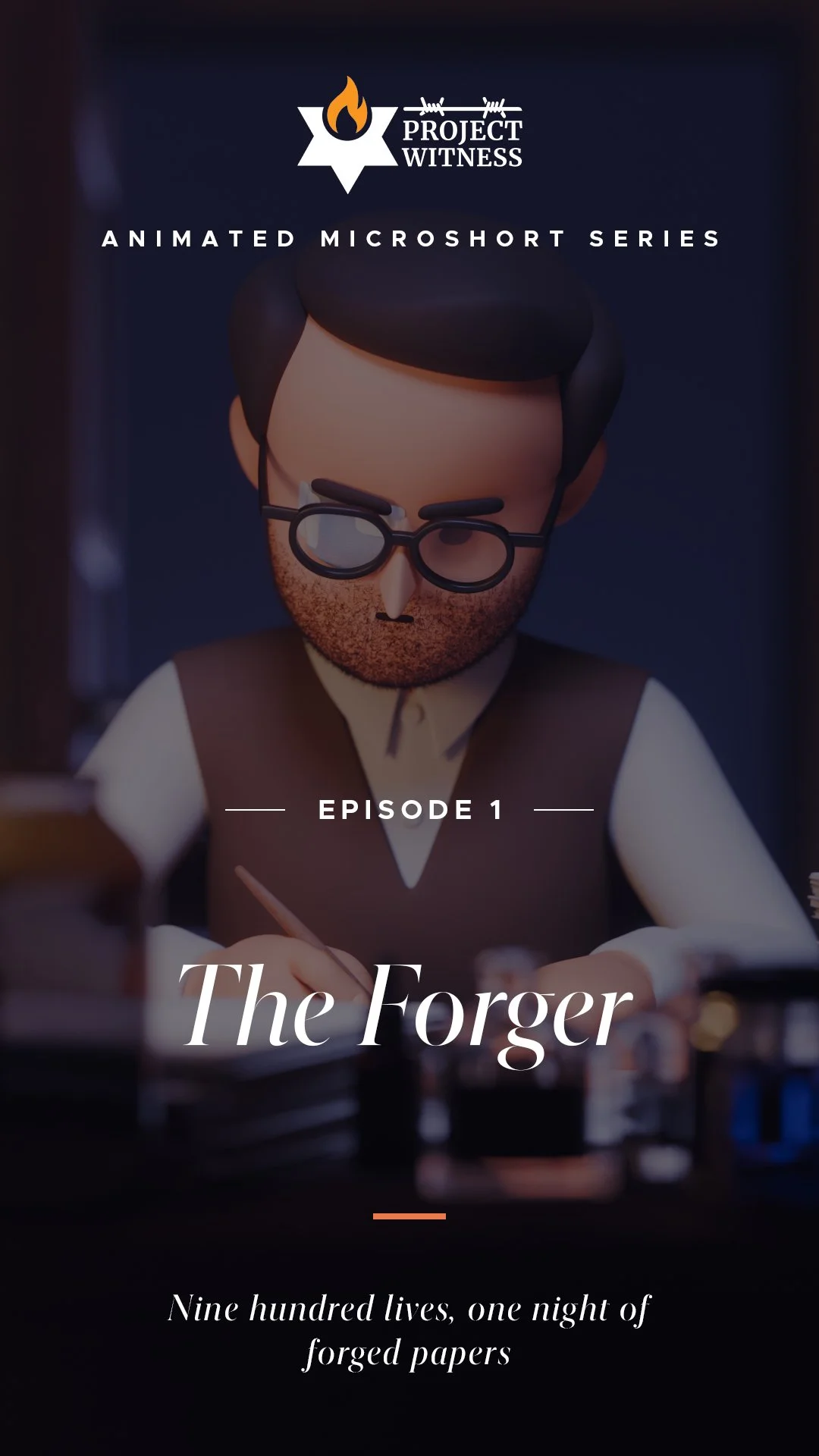
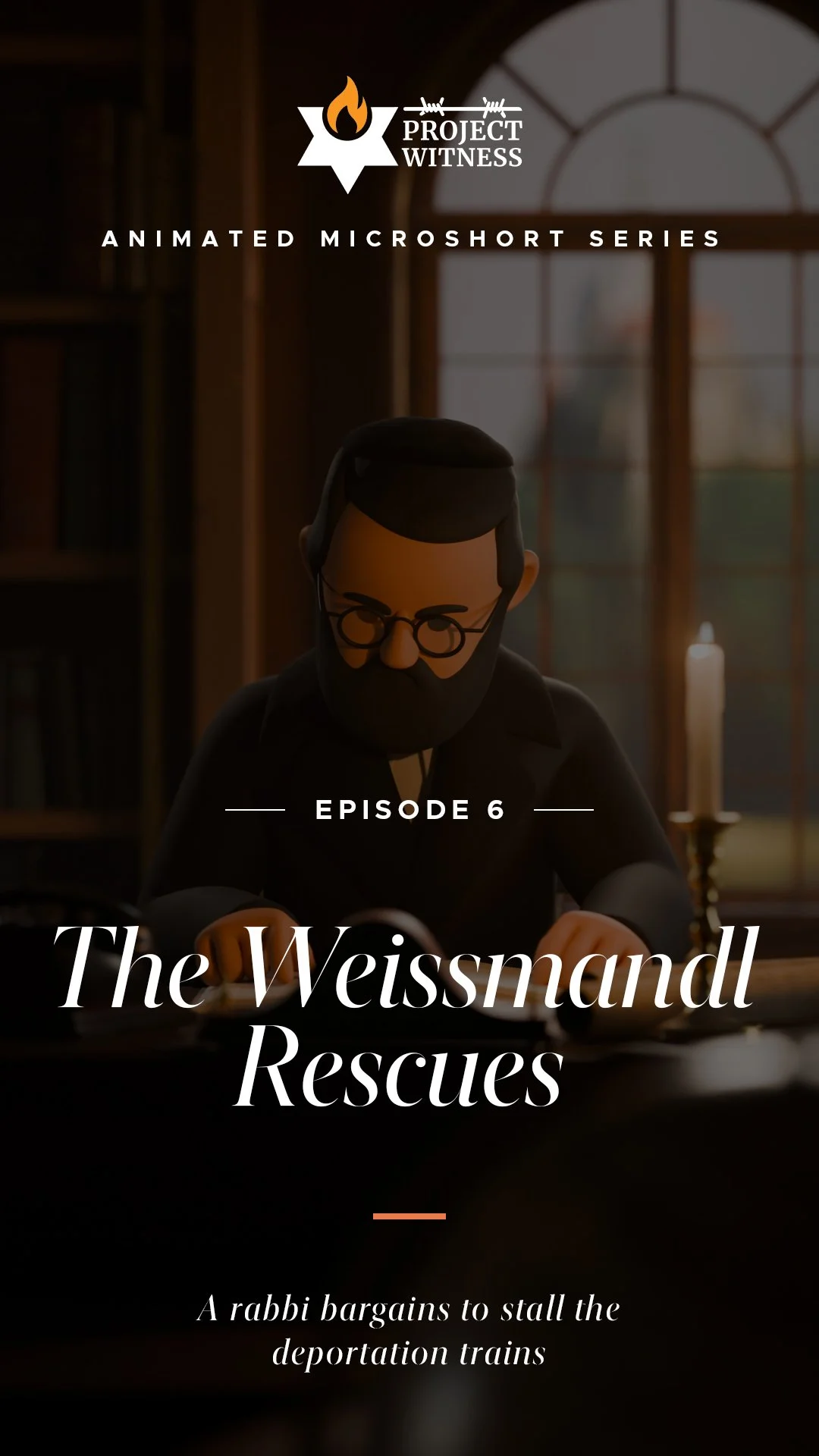
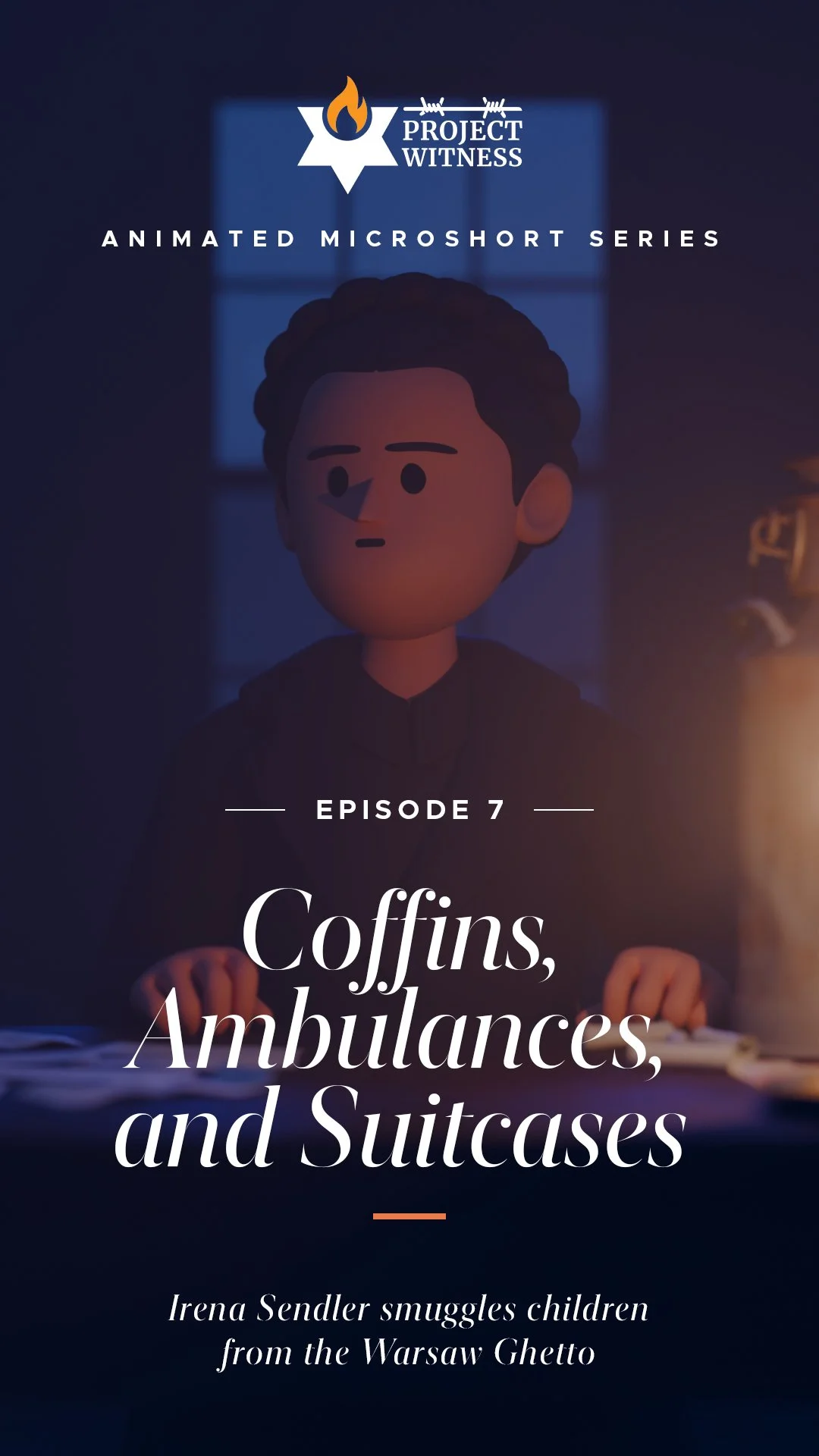
Microshort Stories is an ongoing series of 90-second 3D animated documentary films created by Project Witness, the Holocaust education organization. Each episode tells the true story of one person — an act of courage, resistance, or witness — and ships with standards-aligned lesson plans for grades 7–12, used in classrooms across the United States.
ELAION is the animation studio behind the series, handling the full 3D production of every episode — animation, music, and sound design — from Project Witness's scripts and voiceover recordings.
Five episodes have been released as of August 2026, with more in production. New episodes premiere on the series page at Project Witness and on Instagram.
The challenge
How do you tell a Holocaust story in ninety seconds — truthfully, and to a fourteen-year-old?
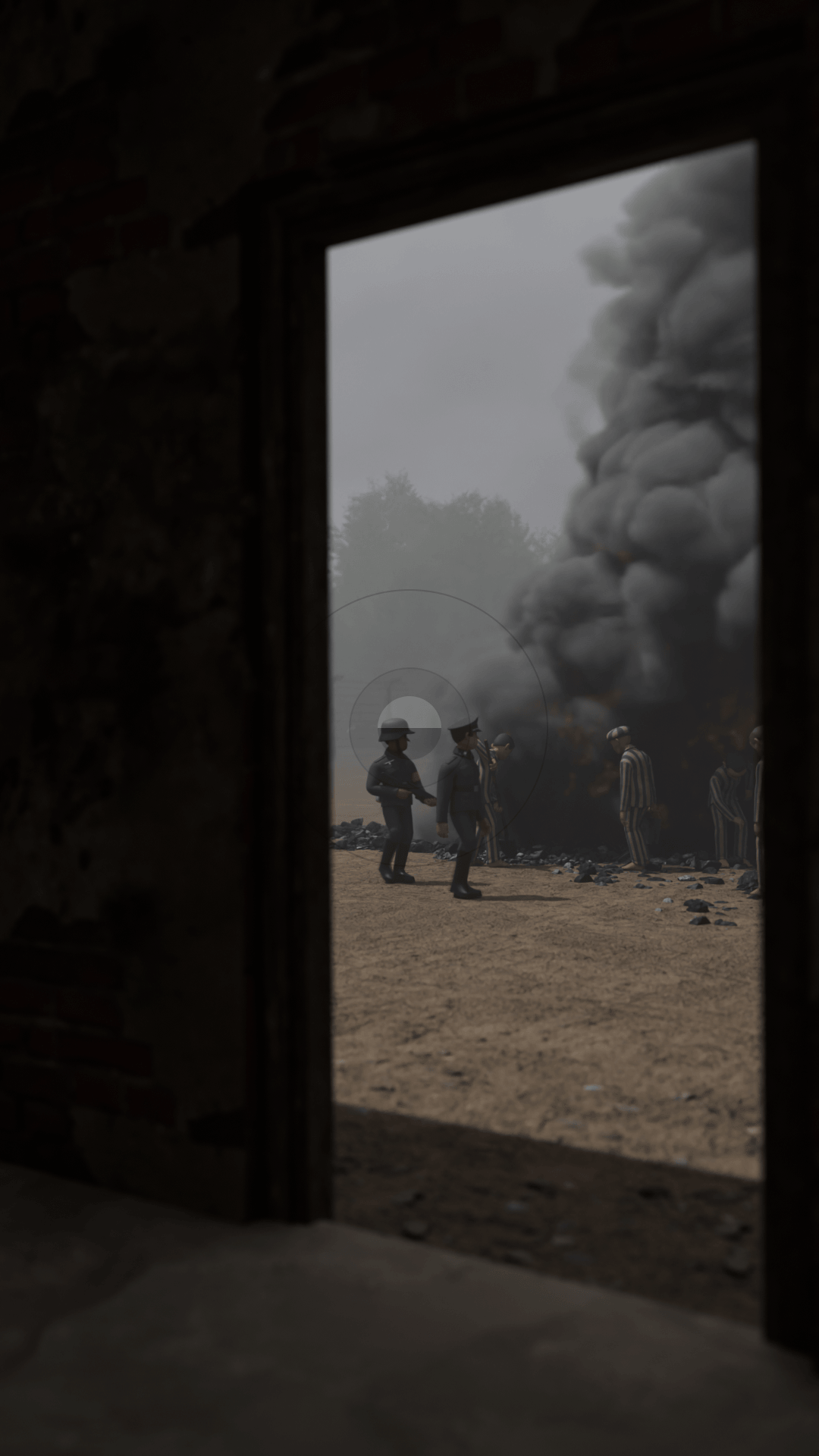
No footage of these moments exists. The events survive in testimony, records, and memory. The material is among the heaviest that history offers, and the format is among the shortest. Animation is what makes this possible: it can reconstruct what no camera saw, hold the hardest moments at a dignified distance, and compress a life into ninety seconds without flattening it into a caption. Every choice — what to show, what to withhold, where the camera stands — is a choice about how a student will carry this story.
How we make an episode
Every episode begins with Project Witness. They provide the script, the historical record, and everything known about the people, places, and period of the story. That foundation is the reason the series can be trusted in a classroom — and it's where our work starts, not where it ends.
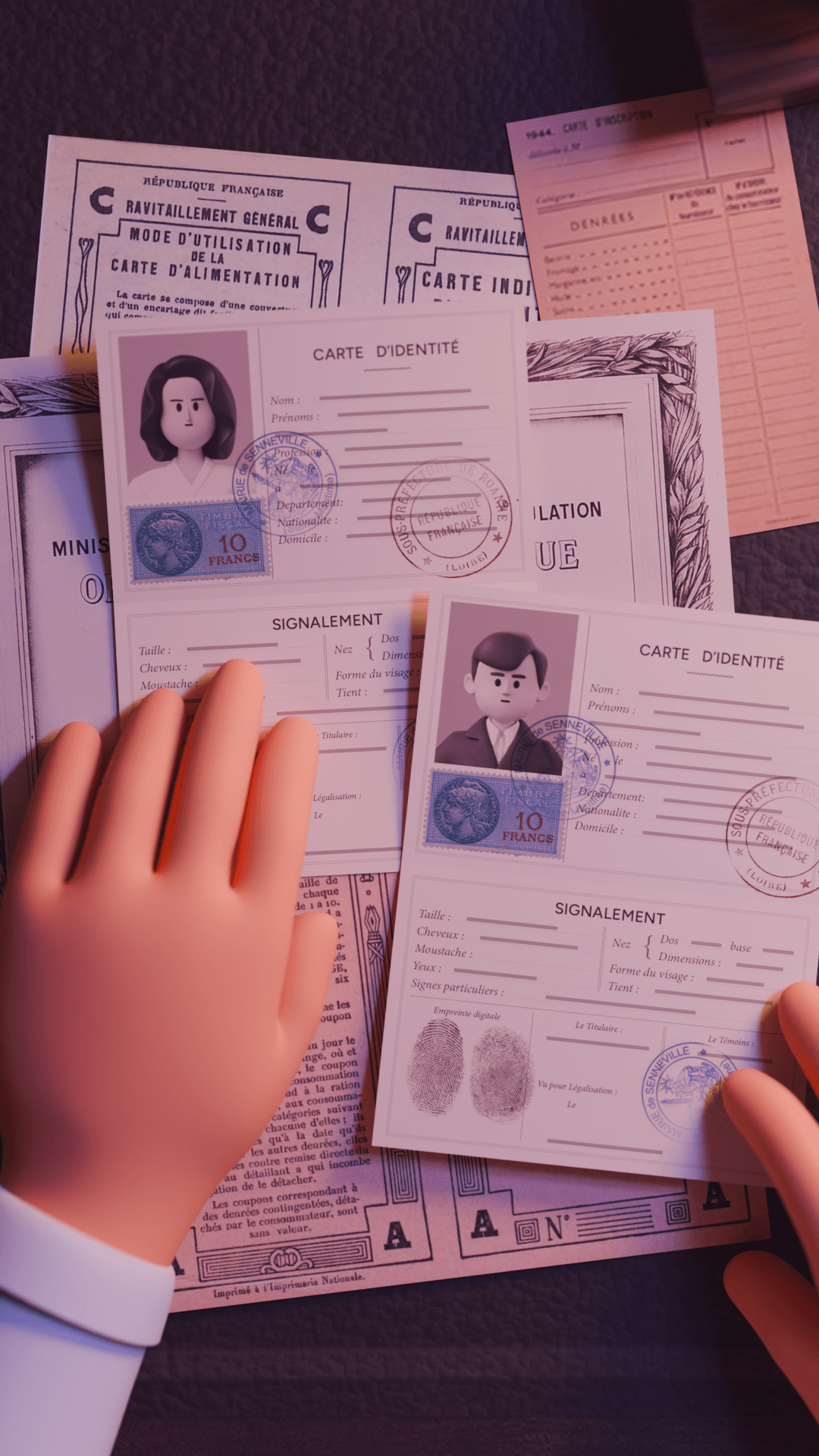
Because animating history is different from writing it. The moment a story has to become an image, it asks questions the text never had to answer: what did that street look like, what would this person have worn, how does a scene hold its truth when the camera has to stand somewhere. So we study the script until we understand it thoroughly, and we research deeper on our own wherever the visuals demand it — partly to get the frame right, and partly because you cannot animate a story you haven't learned.
From there we build the storyboard: every scene set, shot by shot — camera angle, composition, what the viewer sees and, just as deliberately, what they don't. The storyboard is confirmed with Project Witness before production begins, so every depiction decision is agreed before a frame is rendered.
Then the episode is built: style and design, colour and lighting, movement, facial expression, and timing — the visual storytelling that makes ninety seconds carry a life. Sound is part of the writing: the right music and sound design are chosen for each story, because at this length every beat has to earn its place.
Throughout production, progress is shared and reviewed with Project Witness, so historical accuracy and tone are checked continuously — not just at the end. What ships to a classroom, or to hundreds of thousands of viewers on social media, has been questioned at every stage by the people who know the history best.
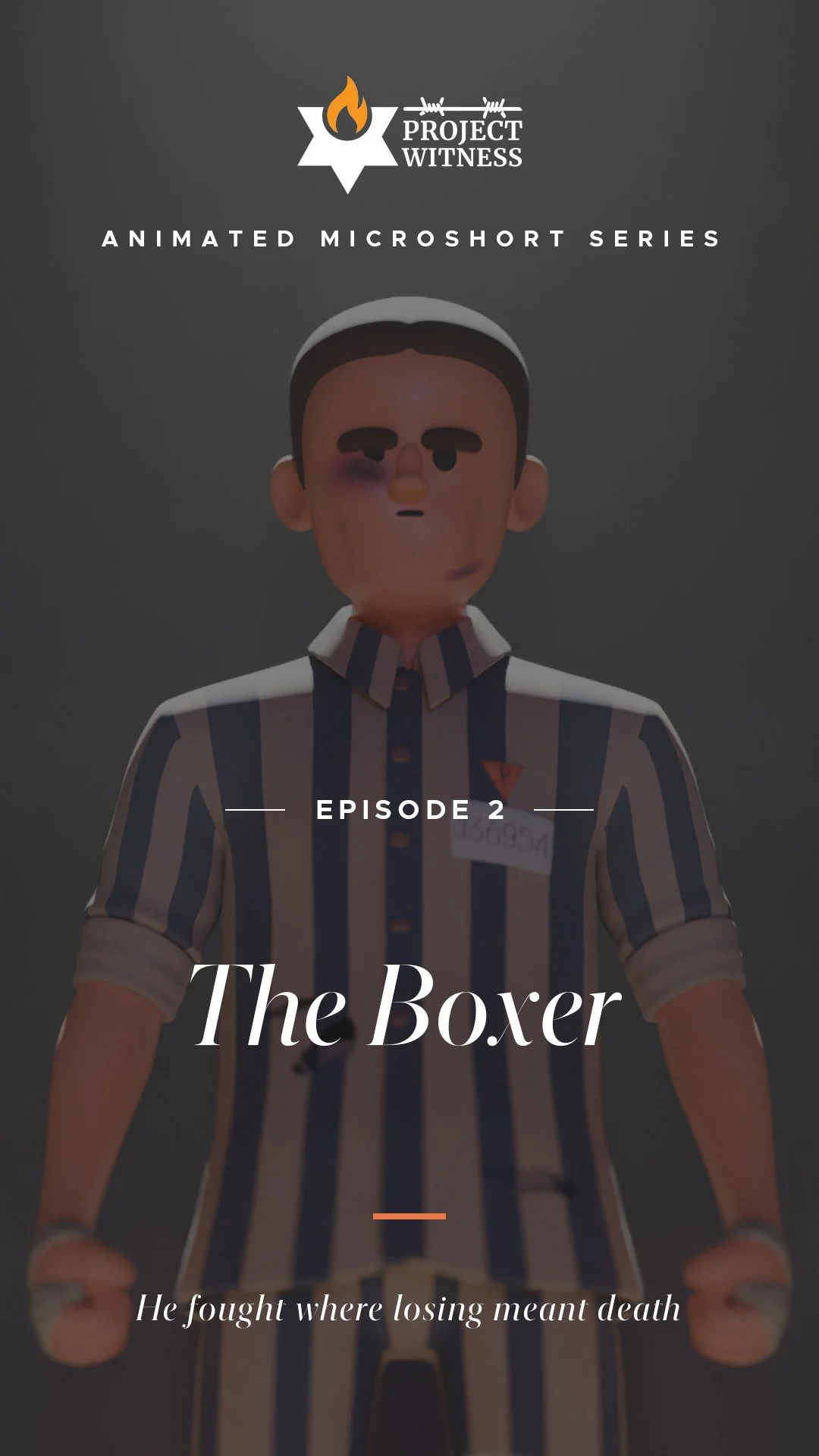
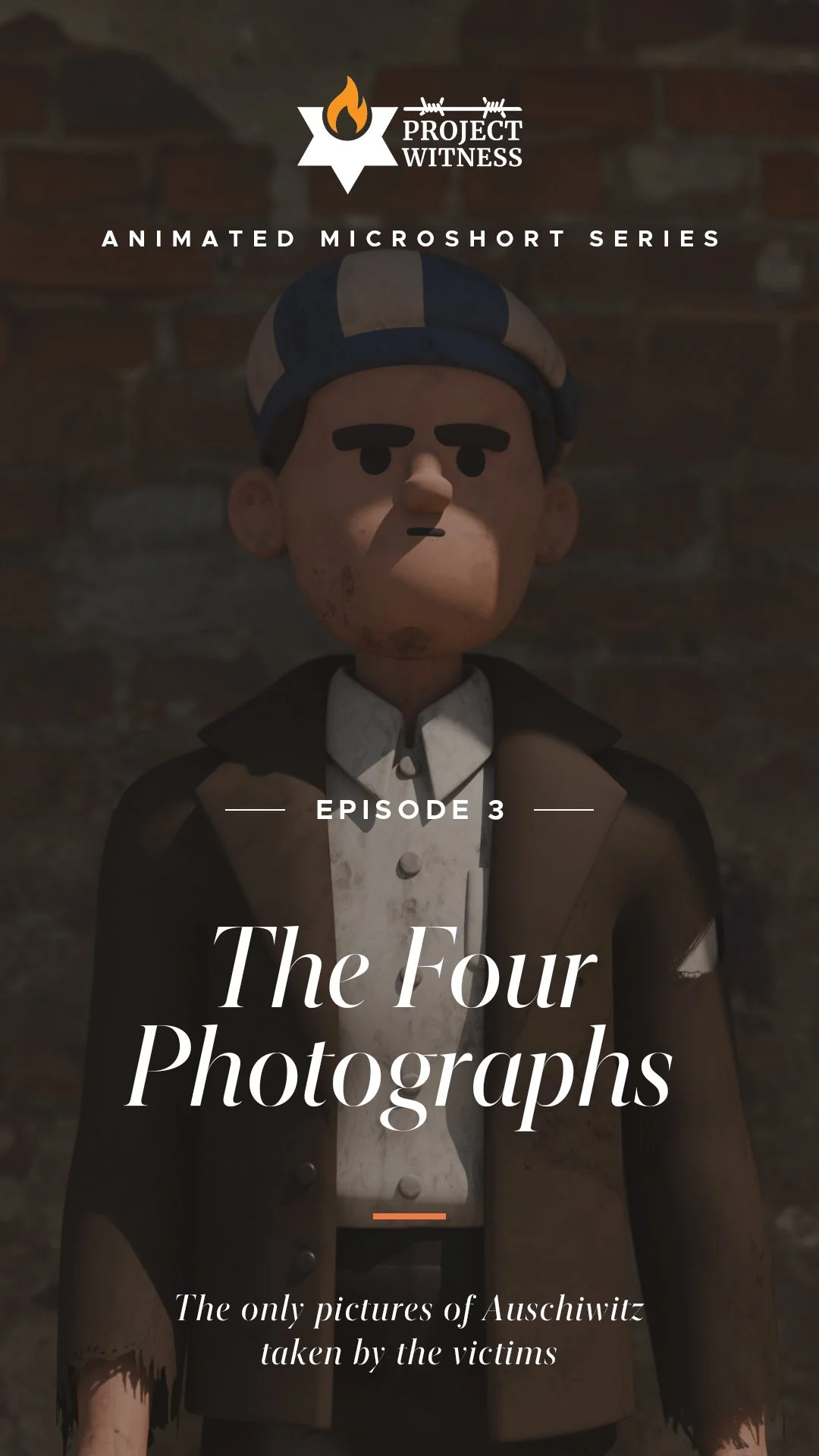
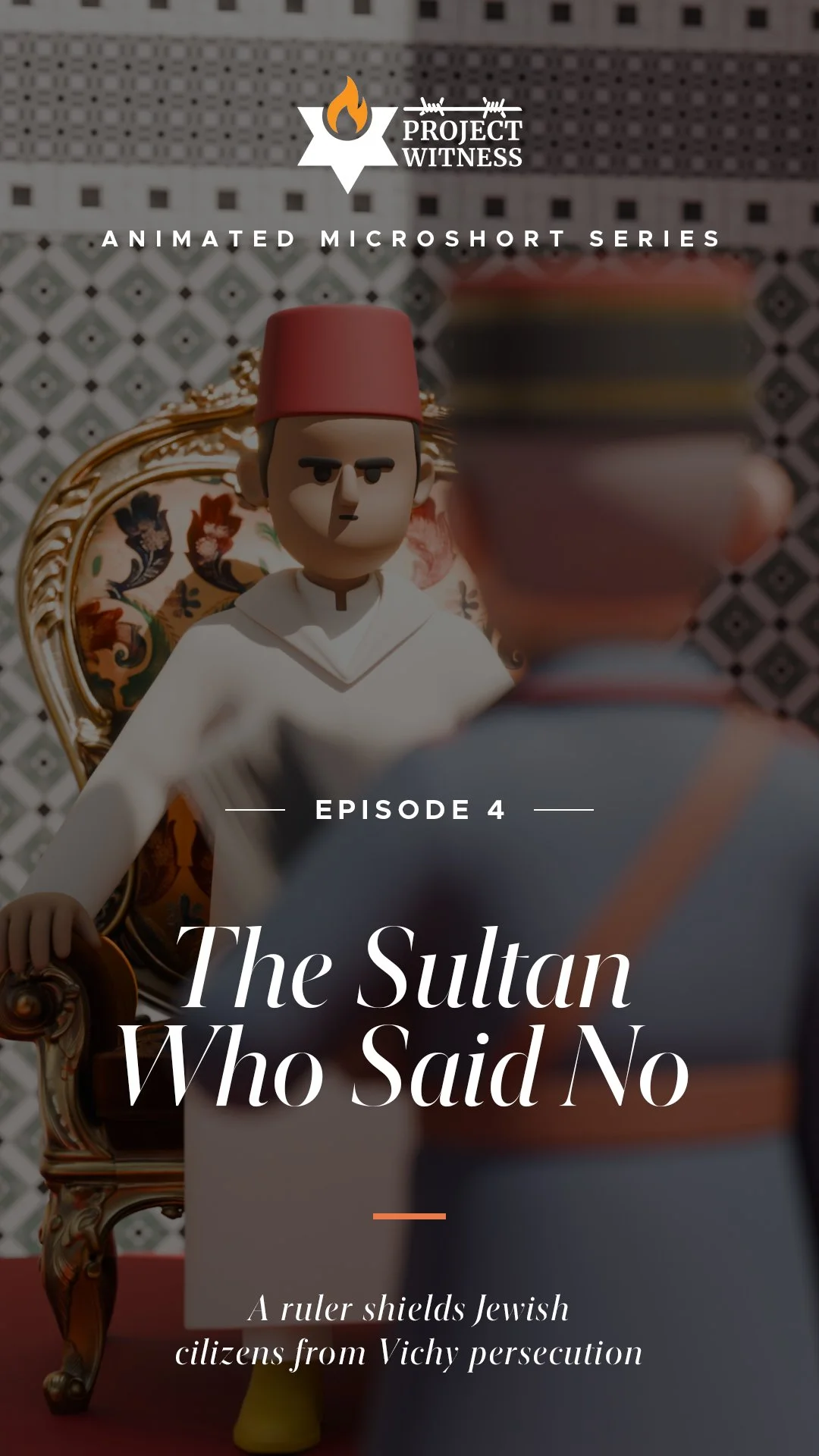
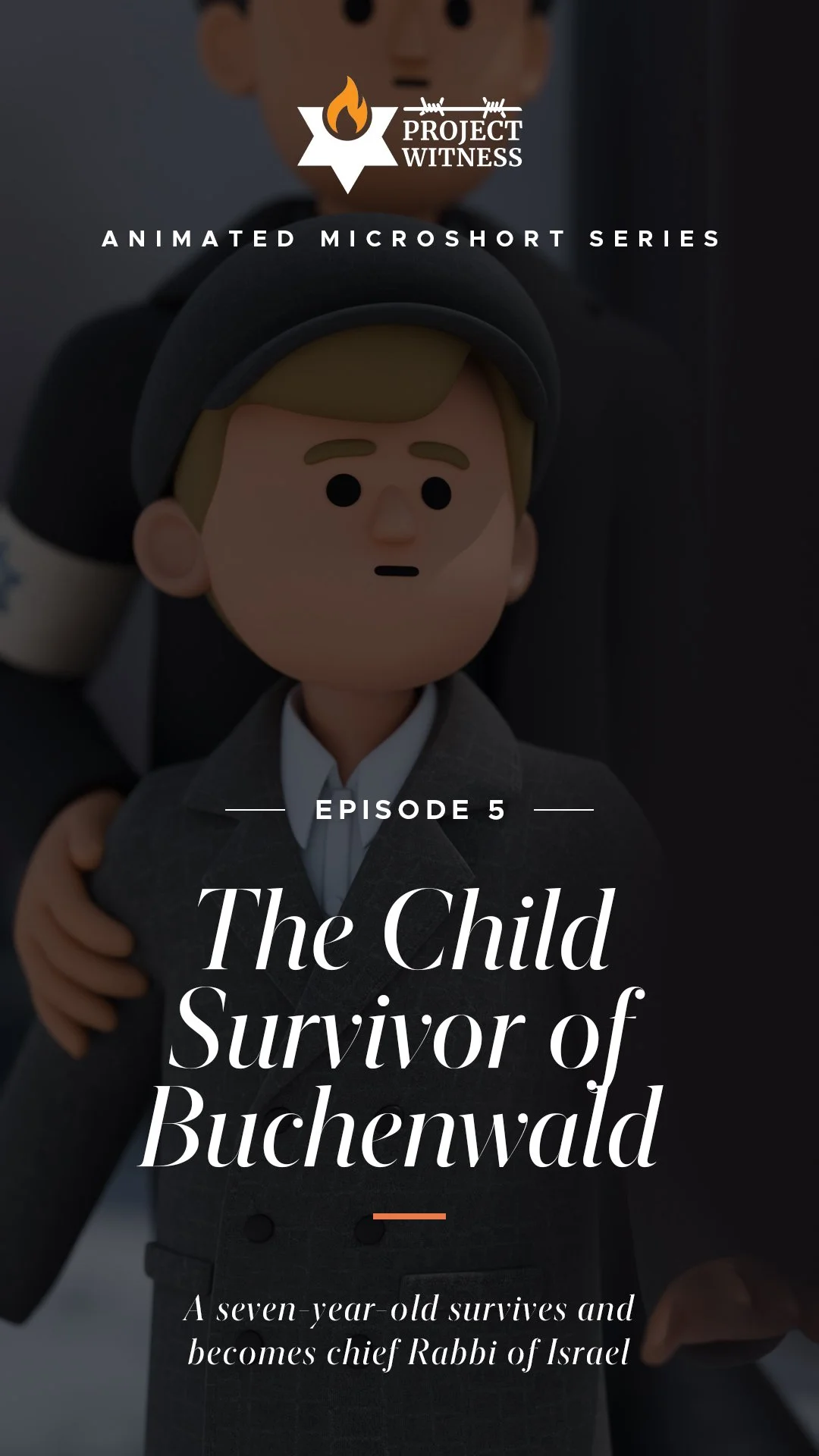
Where the series lives
Microshort Stories lives in two worlds. In classrooms, it's taught across all fifty US states, with lesson plans aligned to national and state learning standards, including Holocaust education mandates. And in public, it has found an audience far beyond the classroom: as of September 2026, the first episode alone has drawn more than 930,000 views on social media, with the series growing episode by episode.
For ELAION, it is the proof of what this studio exists to do: animation in service of true stories — rigorous enough to be trusted with history, and made well enough that people choose to watch it.
Work with us
If you're an educational organization, museum, or memorial with a history that needs to reach students, tell us what you're working on.